

Sustainability
BCOME
IMPACT MEASUREMENT AND TRANSPARENCY
IMPACT MEASUREMENT AND TRANSPARENCY

WHO IS BCOME
BCome is a platform that allows us to trace, measure and evaluate the various dimensions on which our products impact, from an environmental, social and circular perspective. This gives us the possibility to evaluate our entire value chain and enables us to accurately and transparently disclose the results we obtain, in order to optimise the life cycle of each of our products and be able to make an increasingly sustainable business practice a reality.OUR MOTIVATION
In order to calculate the environmental impacts of our products, we have used BCome's Life Cycle Analysis from Cradle to gate methodology, which takes into account all the processes that occur from the extraction of the raw material to the delivery of the finished product. It is of high importance to do this analysis from such an early stage, because from the moment we intervene to extract or transform a material we are already generating an impact, however small or big it may be.

IMPACT INDICATORS
The information collected is evaluated to calculate the impact of each product analysed on the basis of four indicators:
The information collected is evaluated to calculate the impact of each product analysed on the basis of four indicators:
GLOBAL WARMING
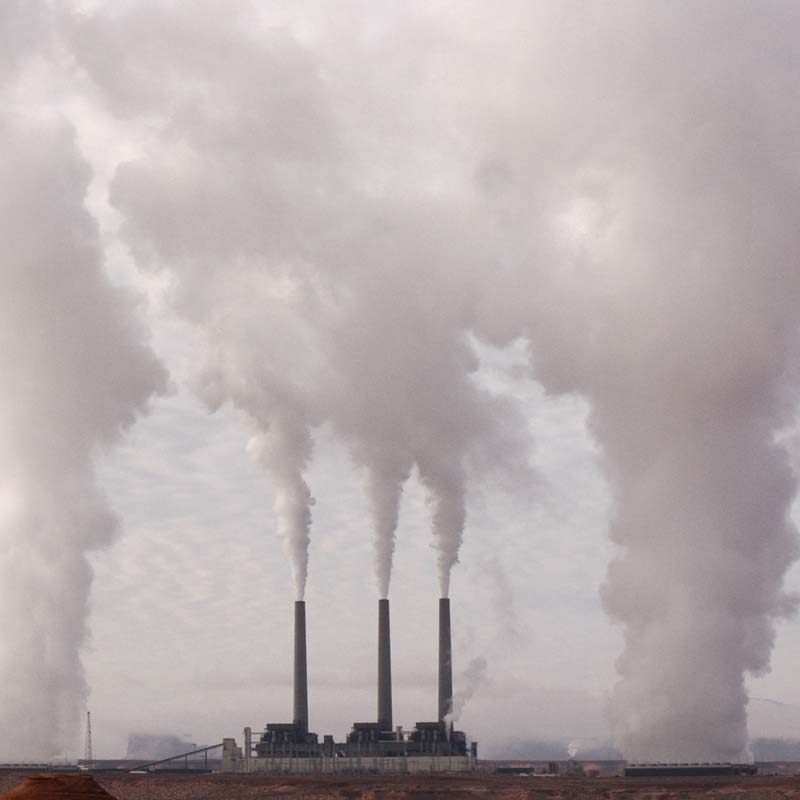
The long-term warming of the earth's surface due especially to the burning of fossil fuels, which generates emissions of CO2 and other greenhouse gases. In the report, it is measured in kg of CO2 emitted (kg CO2 eq*).
WATER SCARCITY
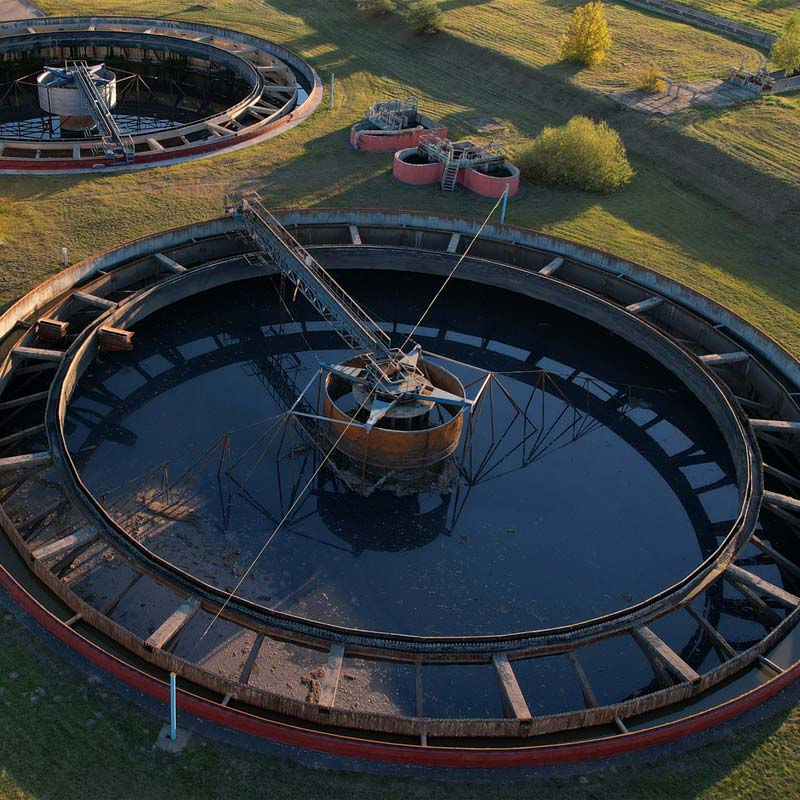
Represents the potential for water deprivation. It refers to the principle that the lower the water availability per area, the higher the probability of deprivation for other individuals. Measured in cubic metres of water consumed (m³ water eq*).
EUTROPHYISATION
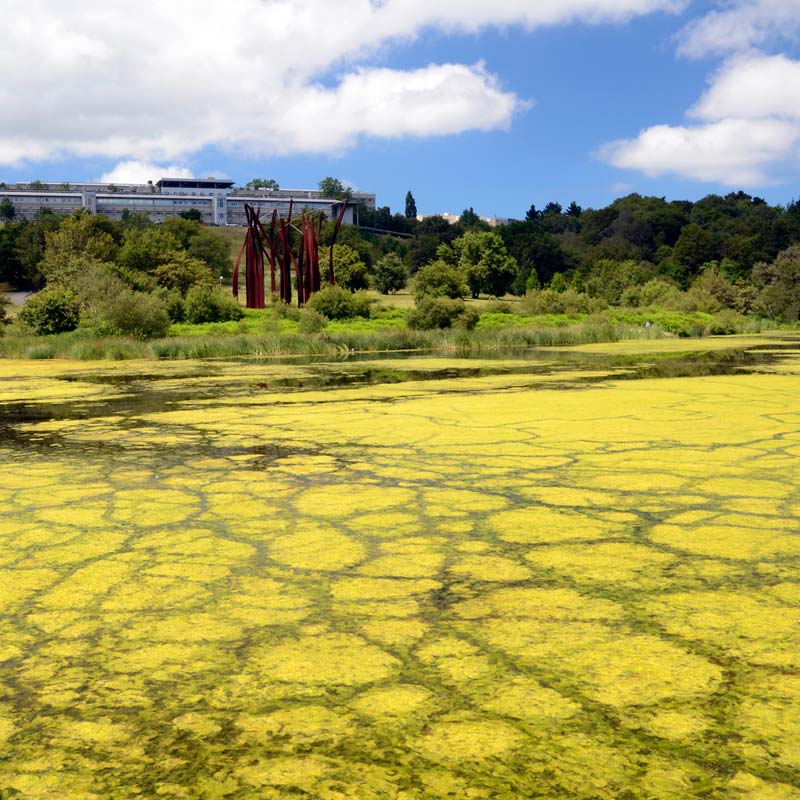
The consequence of the release of excess nutrients such as pesticides and fertilisers into an ecosystem, leading to excessive growth of aquatic plants and often a decrease of oxygen in the water, negatively affecting the quality of the aquatic ecosystem. Measured in grams of phosphates emitted (g phosphates eq*).
ABIOTIC DEPLETION
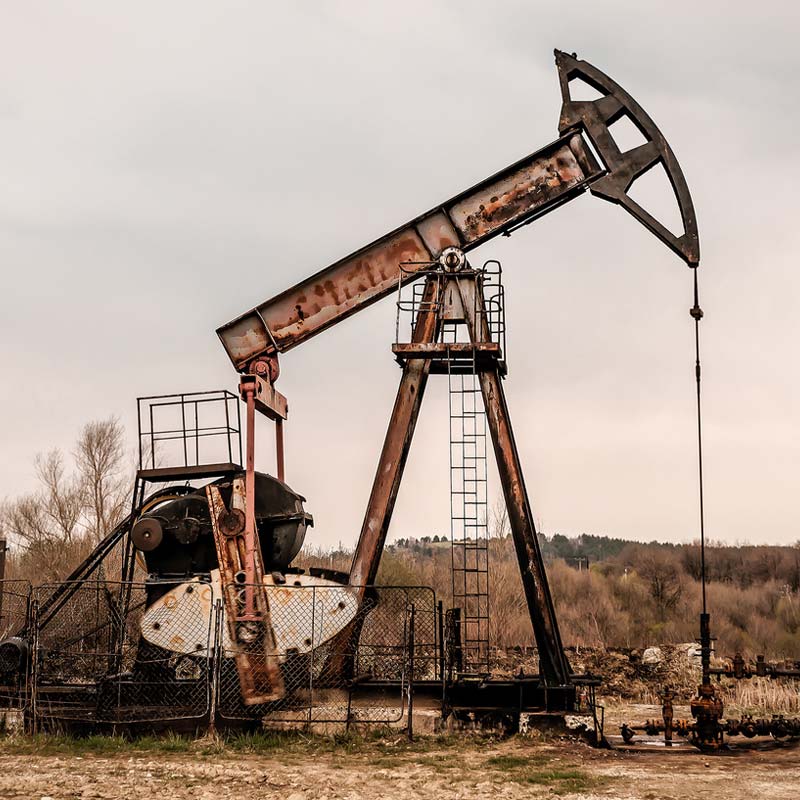
Refers to the depletion of non-renewable resources, including oil, natural gas and coal, used as energy carriers. It is measured in megajoules (MJ).
HOW TO INTERPRET THE RESULT
The assessment results in 3 impact indicators that are represented through 3 categories.
· Unit impact: Grouping of different consumptions and emissions into a single environmental effect associated with an item. · Impact equivalence: Translation of impacts into more understandable units for communication, such as: bottles of water or days of use of a light bulb.
· Unit benchmark: Environmental savings or debts of an item compared to the industry standard.