

Women’s barefoot sneakers: comfort, freedom and a natural fit
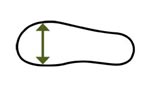
WIDE TOE BOX
Toes are meant to splay and grip the ground.
A wide toe box restores the foot's natural fan shape, creating a wider and more stable base.
This improves plantar pressure distribution, balance, and propulsion, particularly through the big toe.

FLEXIBLE SOLE
A flexible sole allows the foot to bend, expand, and adapt to the terrain, activating muscles that typically remain dormant with rigid soles.
This enhances dynamic stability, strengthens the arch, and increases sensory feedback—key for movement control and injury prevention.
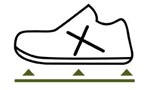
DROP ZERO
By keeping the heel and forefoot at the same height, the body regains its natural alignment.
This allows the Achilles tendon, plantar fascia, and arch to function as an elastic system, absorbing impact and returning energy with every step.
Result: more functional strength and better balance, from the ground up.
If your feet have been trapped in rigid footwear for years, you may already notice the consequences: tension, fatigue or a gait that doesn’t feel quite right. Barefoot sneakers are designed to give you back something essential: natural movement. Discover what they are, how to choose them and why more and more women are making them their go-to footwear.
What are women’s barefoot sneakers and why choose them?
Barefoot sneakers —also known as barefoot shoes— recreate the experience of walking barefoot, but with the protection you need in everyday life. Their design respects the natural shape of the foot: a wide toe box, thin sole and zero drop (no height difference between heel and toe).
Choosing them is not just a trend. It’s about returning to the essentials: letting your feet work the way they were designed to, strengthening with every step instead of relying on artificial support and corrections.
Differences between barefoot, minimalist and conventional footwear
Not all “lightweight” footwear is the same. These are the key differences:
Barefoot: zero drop, very thin sole (3–5 mm), wide toe box and maximum flexibility. Your feet do the work.
Minimalist: low drop (4–8 mm), slightly more cushioning. A middle ground between conventional and barefoot footwear.
Conventional: high drop (10–14 mm), narrow toe box and rigid sole. Alters your natural gait.
Benefits of women’s barefoot footwear for everyday use
The benefits are not immediate, but they are long-lasting. Over time and with gradual adaptation, barefoot footwear can help strengthen foot muscles, improve balance and posture, reduce fatigue during long days, relieve tension in knees and hips, stimulate proprioception and provide greater freedom of movement.
The key is consistency and gradual adaptation. Your body needs time to get used to moving with true freedom.
Women’s barefoot sneakers for walking, working and moving comfortably
One of the biggest advantages of barefoot footwear is its versatility. It’s not just for sports: it’s designed to accompany you throughout your daily routine, from going to work to taking a walk around the neighborhood.
Models for daily wear and city life
For urban environments, you need footwear that combines functionality with a design that suits your style. Munich barefoot sneakers are designed exactly for this: lightweight, breathable and with a silhouette that works just as well with casual outfits as with more polished looks.
For city use, the ideal shoe should have a sole with enough grip for smooth surfaces, durable materials that withstand intensive use and a shape that won’t compress your toes after hours of walking.
Options for long days and sensitive feet
If you spend many hours standing or have more sensitive feet, choosing the right model is especially important. Look for shoes with soft lining, no aggressive internal seams and a generous toe box that avoids pressure points.
Munich barefoot sneakers include carefully selected materials that prevent rubbing and allow your feet to breathe, even during eight-hour days or longer.
How to choose women’s barefoot sneakers according to your foot type
There is no perfect barefoot shoe for everyone. The right choice depends on the shape of your feet, your previous experience with this type of footwear and how you plan to use them.
Wide toe box, zero drop and flexibility
These three elements are the pillars of barefoot footwear. A wide toe box allows your toes to spread naturally, zero drop aligns the body correctly and a flexible sole lets your foot bend the way it would when barefoot.
When trying on a model, make sure you can move your toes freely and that the heel is not elevated compared to the forefoot. If the shoe “pushes” you forward, then it’s not truly zero drop.
What to consider if you’re new to barefoot footwear
If you’re coming from conventional footwear, the transition requires patience. The muscles in your feet and calves need time to adapt. Start by wearing barefoot shoes for just a few hours a day and gradually increase the time.
Wear barefoot shoes for one or two hours a day during the first few weeks, alternate between soft and hard surfaces to strengthen your feet gradually and listen to your body: some discomfort is normal at first, but sharp pain is not.
Women’s barefoot footwear with thin soles and a natural fit
The sole is the heart of barefoot footwear. Everything that makes this type of shoe special comes from it: connection with the ground, flexibility, sensory stimulation and the natural adjustment of your gait.
Benefits of thin soles for your gait
A thin sole does not mean a fragile sole. It means your feet receive real information from the ground, naturally activating muscles and improving control with every step. Over time, this leads to a more efficient gait and less impact on the joints.
Munich barefoot sneakers use soles designed to provide enough protection without removing the sensitivity that makes this footwear unique.
Fit, breathability and freedom of movement
A good barefoot shoe is not only about the sole. The right fit prevents your foot from sliding inside the shoe, which can cause friction. Breathable materials keep your feet cool, while adaptable closure systems allow you to customize the fit depending on the time of day, since feet tend to swell in the evening.
Try on footwear at the end of the day to make sure it still feels comfortable when your feet are at their largest volume.
Women’s barefoot sneakers for wide feet and greater comfort
Wide feet are, paradoxically, the ones that benefit the most from barefoot footwear. They are also the ones that have suffered the most from conventional shoes. If you have a wide forefoot or your toes tend to feel compressed, barefoot footwear can be life-changing.
How to identify the right fit
The shoe last determines the internal shape of the footwear. For wide feet, look for models with an extra-wide toe area. A good test: with your foot inside the shoe, there should be enough room for all your toes to rest flat without overlapping or bending.
Always compare the insole shape with the actual outline of your foot. If the insole is narrower than your foot, that shoe is not right for you.
Mistakes to avoid when buying barefoot shoes
Buying barefoot footwear has its own particularities. These are the most common mistakes:
Choosing only by size: sizing varies greatly between brands. Always measure your feet and check the size guide before buying.
Buying shoes that are too tight: barefoot shoes should have some room in the toe box. They are not competition footwear.
Making an abrupt transition: switching suddenly to barefoot footwear can cause discomfort. The adaptation should be gradual.
Ignoring intended use: not all barefoot shoes are the same. Some are designed for city life, sports or work. Choose according to your daily needs.
Frequently asked questions about women’s barefoot sneakers
Are they suitable for prolonged use?
Yes, although it depends on the model and your adaptation. Once your feet get used to barefoot footwear, many women wear them all day without discomfort. The key is choosing a model with quality materials, a good fit and a sole that protects without becoming rigid.
Are they suitable for beginners?
Absolutely, as long as the transition is gradual. If you’ve never worn barefoot footwear before, start with just a few hours a day and progressively increase usage over several weeks. Your muscles need time to adapt, but the benefits are worth the patience.
How do they adapt to natural walking?
Barefoot footwear is designed to interfere as little as possible with the biomechanics of the foot. Its zero-drop design keeps the foot in a horizontal position, encouraging forefoot landing instead of heel striking. Over time, this activates the intrinsic muscles of the foot and improves coordination with every step.